Night-Time Economy: What Happens After Dark, Stays in the Dark
Presented by .Haus
Where: Mengi, Óðinsgata 2, 101 Reykjavík
When: Tuesday, Nov 3rd @ 12.00–13.30
Night-time is when a huge part of Reykjavík’s cultural and social life takes place: music, venues, restaurants, clubs, events, creative work and more. Yet the people who keep the night running often have few opportunities to connect with each other, or to have their experiences represented in conversations with policymakers and city authorities.
This panel brings together a small group of night-time stakeholders to share their experiences of working after dark: what’s working, what’s difficult and what’s missing from Reykjavík’s night-time ecosystem. With the traditional night-time economy struggling, it raises the question of how we can find new ways to express ourselves and socialise, and how solidarity might give rise to new forms of nightlife.
Rather than presenting a finished solution, the panel asks: does Reykjavík need a platform to bridge this gap? And what could a local night advocacy group look like?
The goal is to start a conversation, and maybe bring together the people who could build something together.
Refreshments will be provided.
Why does the night matter? (10 min)
René Boonekamp, .Haus
René shares examples of night advocacy around Europe and introduces the EU projects Night Time Boost and Nordic Night Network, which aim to build stronger links between grassroots night-time communities and decision-makers in the Nordics.
Copenhagen Night Life Committee (10 min, online)
A short introduction to how Copenhagen has approached these issues.
Panel: The state of Reykjavík’s night (45 min)
What’s the state of the night-time economy in Reykjavík, and how can we bridge the gap between grassroots efforts and policy, together?
Panellists:
Moderated by Atli Bollason
Adda Rúna Valdimarsdóttir, Director, Reykjavik Culture City
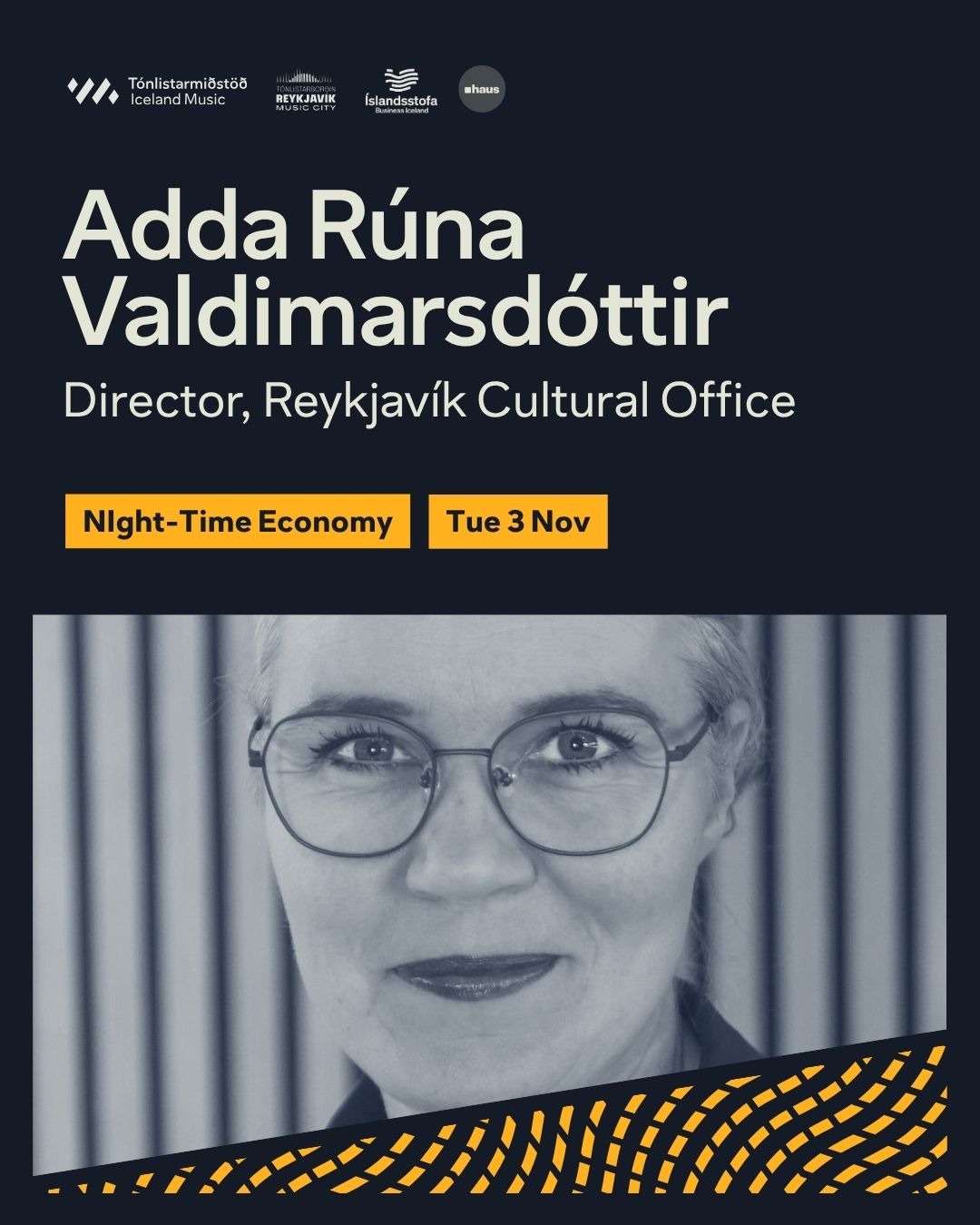
Adda Rúna Valdimarsdóttir is a leading figure in Reykjavík’s cultural sector, with a passion for the arts, cultural spaces, and international collaboration. By day, she runs Reykjavík Cultural Office and by night, she plays the baritone horn.
Adda brings extensive experience in cultural management, policy development, and public administration. She has led major cultural projects, including the Nordic implementation of Björk Guðmundsdóttir’s Biophilia Educational Project and the planning and delivery of the European Film Awards in 2022.
Alexander Rydberg, Co-Founder, KFP
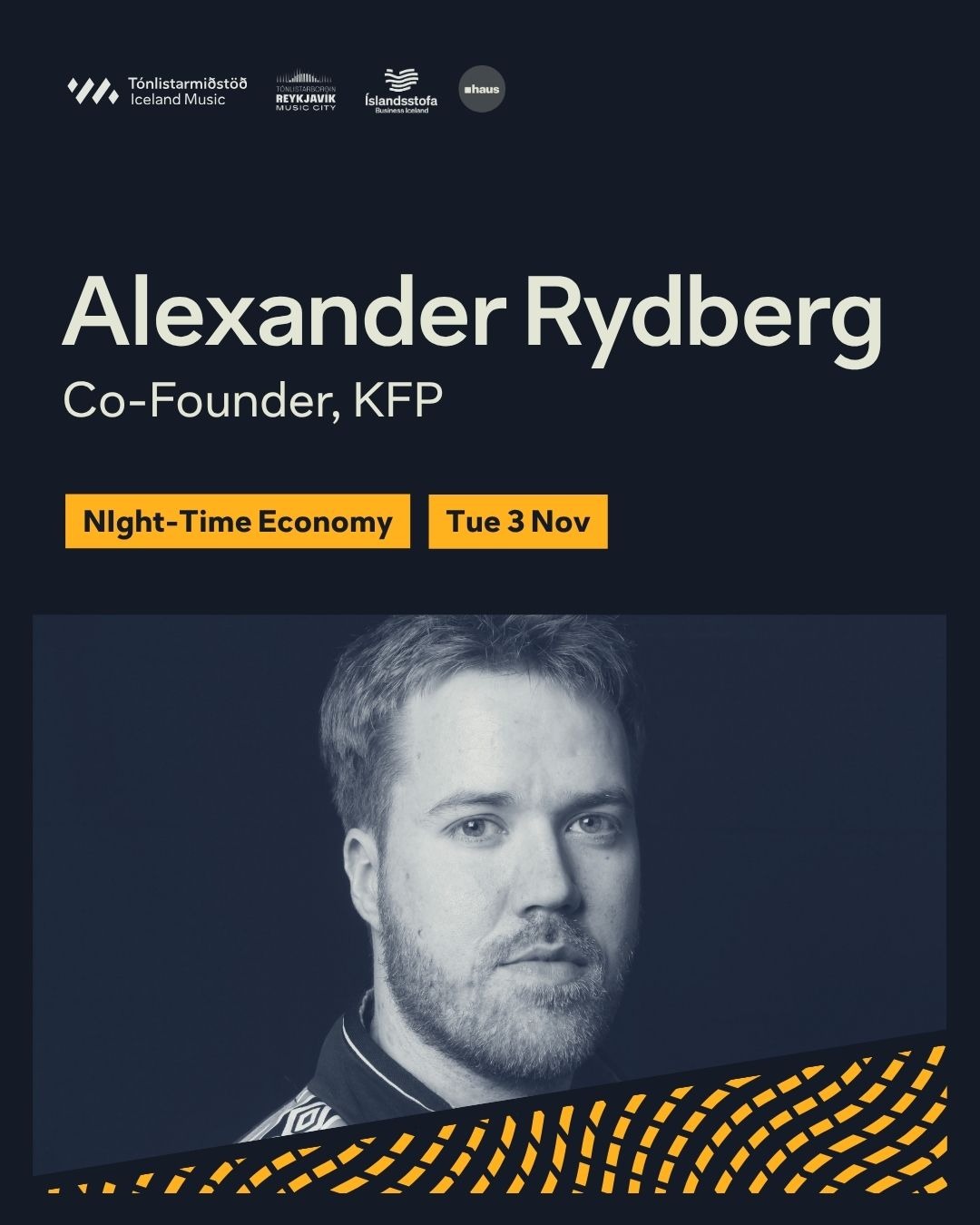
Alexander is the co-founder of KFP (Klubkulturens Frie Platform), a nightlife organization representing Copenhagen’s underground clubs, collectives, and community spaces. He also serves as Vice President of the City of Copenhagen’s Nightlife Committee, and part of the new underground music venue Pylonen.
Atli Bollason, Artist
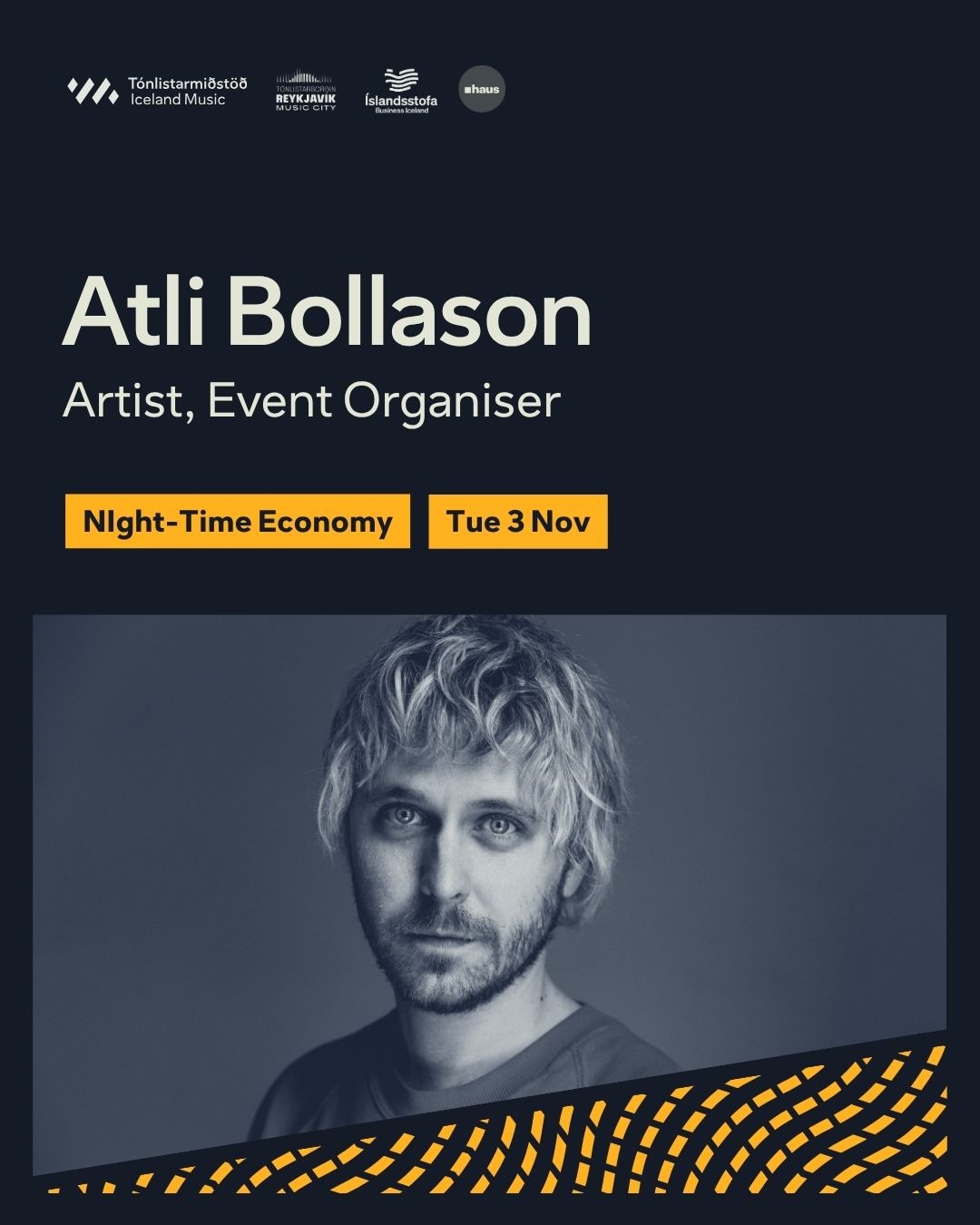
Atli has been organising, critiquing, creating, teaching and enjoying daytime and night time culture for nearly 25 years. Writer, artist, DJ, musician, VJ, commercial director, event producer and educator are some of the titles he’s donned along the way.
Bjarni Daníel, Artist
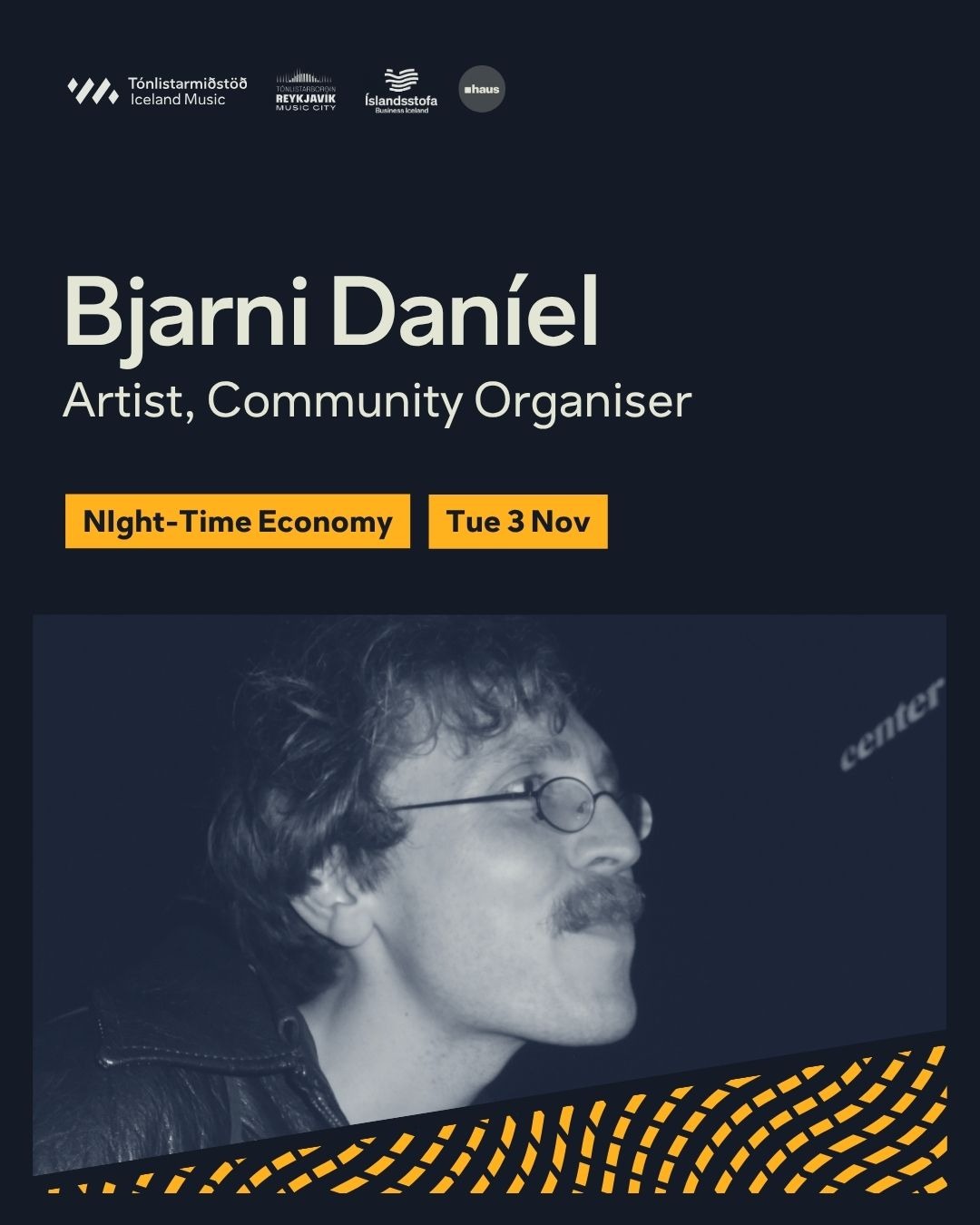
Bjarni Daníel is a musician, radio program director and facilitator. For years, he’s been involved with all things alternative music and its offshoots in Reykjavík and beyond, mostly as a member of music and arts collective Post-dreifing. Recently he took part in founding a new label co-operative called Blaðran, within which he’s currently getting busy with understanding what’s missing in Reykjavík in order to be able to do something about it.
Erla Rún Guðbundsdóttir, Director CIRC
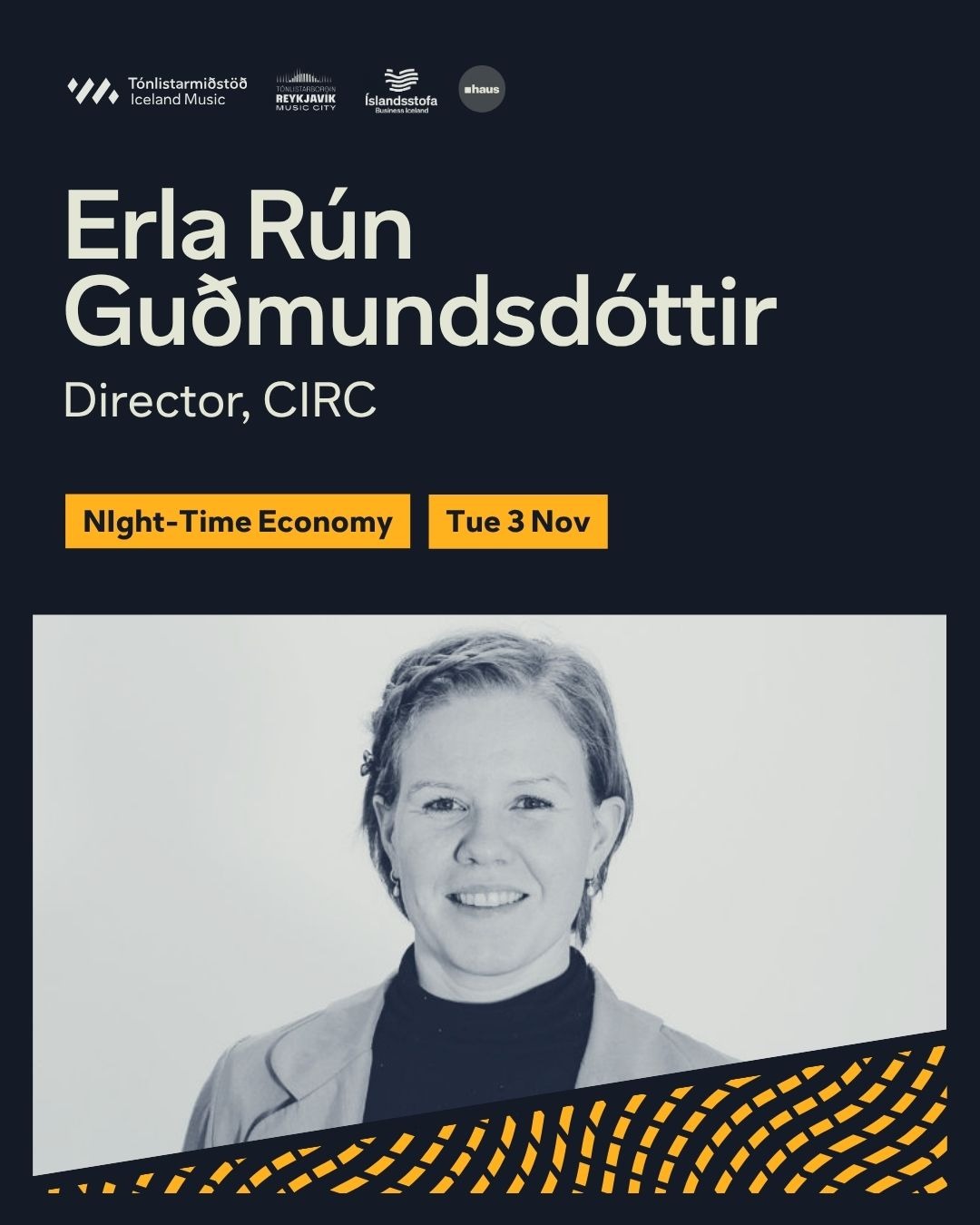
Erla Rún is the Director of the Creative Industries Research Centre (CIRC). She holds a master’s degree in Economics and Management in Arts, Culture, Media and Entertainment and is currently a PhD student at the University of Iceland School of Business. She previously worked as a specialist in cultural statistics at Statistics Iceland. Her research focuses on the labour market, measurement and policy development in the cultural and creative industries in Iceland.
René Boonekamp, Co-Founder, .Haus
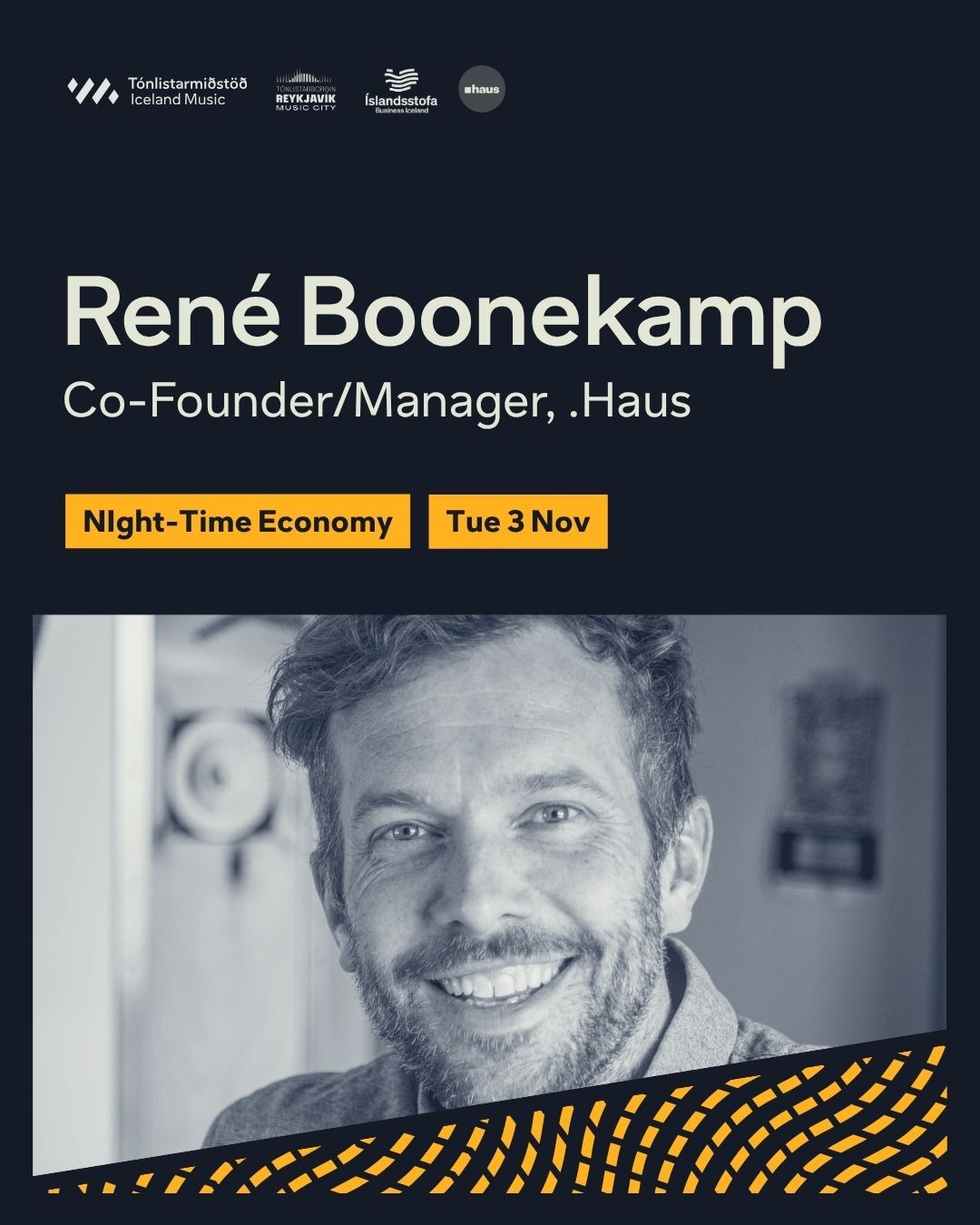
René Boonekamp is a cultural producer and community manager with over 15 years of experience developing creative spaces, programmes, and collaborations in Iceland and the Netherlands. He is the co-founder and manager of .Haus. An organisation that intends to grow, connect and support Iceland's creative community. Encompassing 7.000m2 of creative space, in downtown Reykjavík, it brings together artists, designers, researchers, entrepreneurs, and cultural organisations. His work focuses on creating practical conditions for collaboration, knowledge exchange, and public engagement, with a particular interest in how creative practice can contribute to social and cultural challenges.
Steinþór Helgi, Co-Founder, Röntgen, Skreið, Austurbæjarbíó
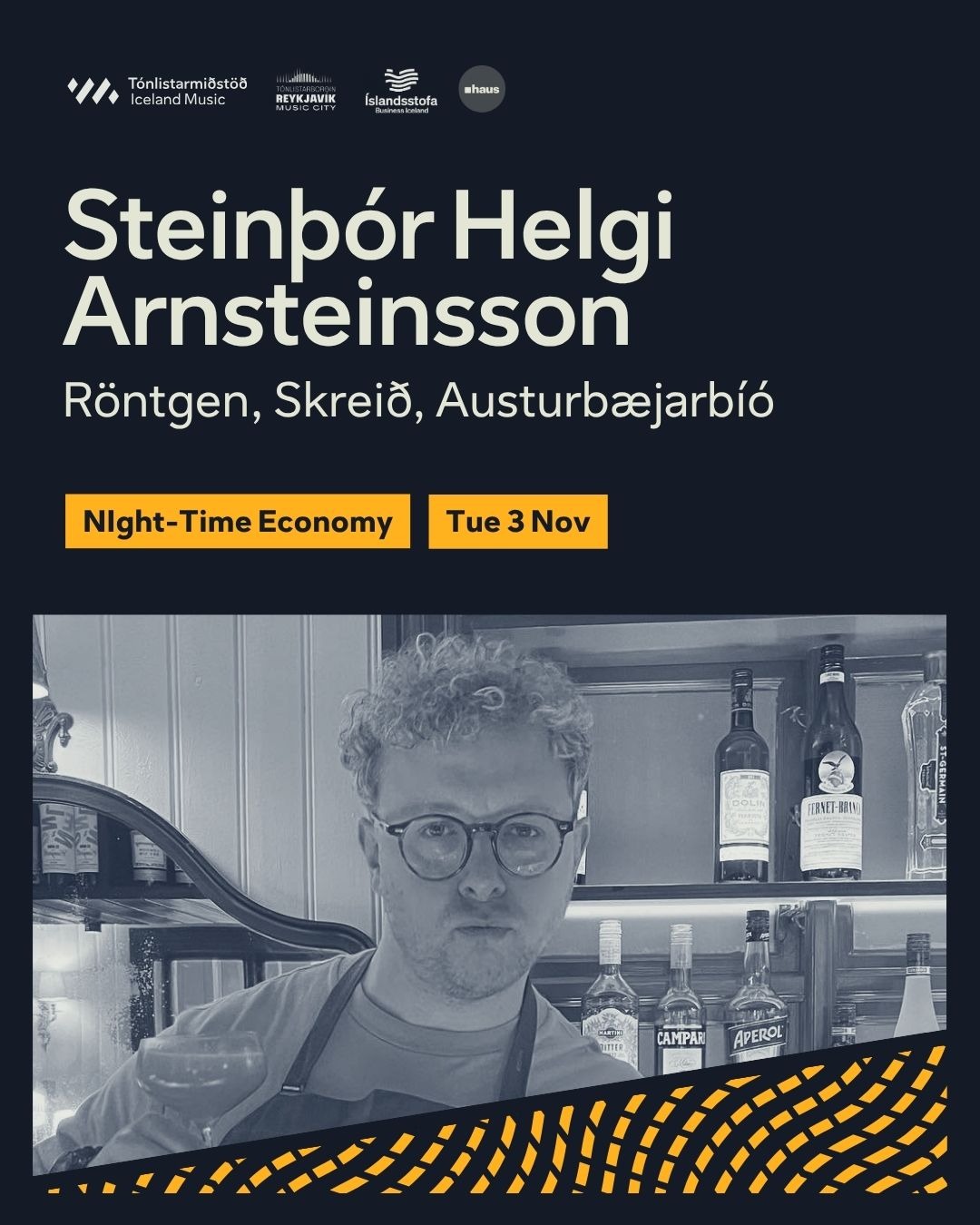
Steinþór Helgi is an Icelandic entrepreneur with a passion for music, culture and bringing people together. After working in artist management, concert promotion and events at CCP Games, he found his way into Reykjavík’s hospitality scene, where he is behind venues including Röntgen, Skreið and Austurbæjarbíó. A keen advocate for the city’s independent bars and restaurants, he’s not afraid to speak up about the challenges facing the industry. For Steinþór, hospitality is about more than business, it’s about creating places that make city life vibrant.